
Choosing the correct insulation for your home is a critical decision that influences energy efficiency, comfort, and even the cost of utility bills. The right choice will depend on numerous factors, including your home’s location, climate, size, and structure. This guide will help you navigate the world of insulation so that you can make the most informed decision for your home.
Understanding Insulation Types There are various types of insulation, each with its strengths and applications:
- Spray Foam Insulation: An excellent choice for sealing gaps and air leaks, it provides an impressive thermal barrier and is ideal for areas where it’s hard to fit standard insulation batts or rolls.
- Blown-in Insulation: This is perfect for retrofits and areas with obstructions or irregular shapes, offering superior coverage and adjustable depth for desired R-value.
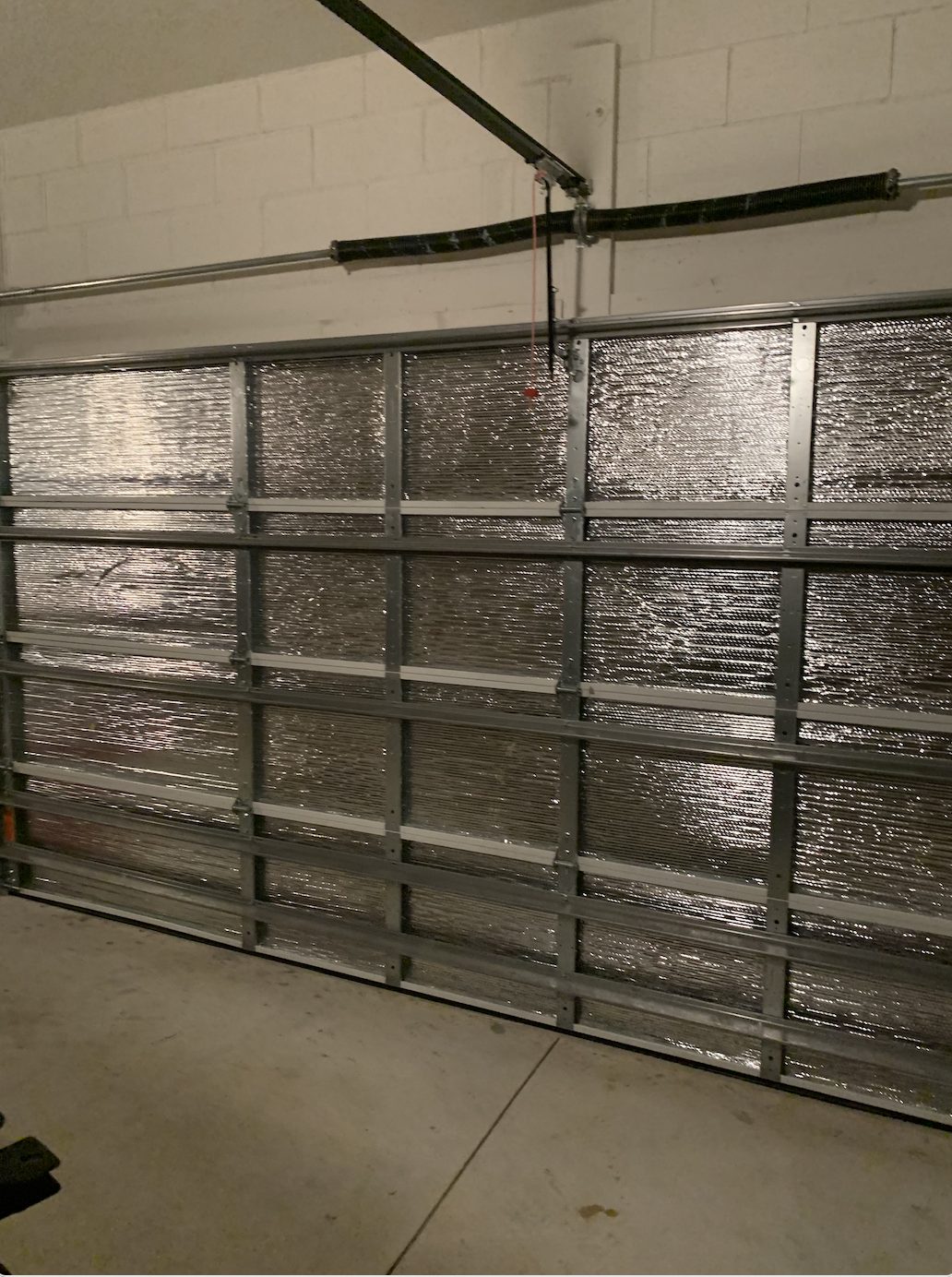
- Radiant Barrier Insulation: Particularly effective in hot climates, it reflects radiant heat rather than absorbing it, reducing cooling costs.
- Batt and Roll Insulation: The most common type of insulation, it’s ideal for areas with standard spacing and easy access, like attic floors and wall cavities.
- Attic Insulation: A significant area of heat loss and gain, ensuring your attic has sufficient insulation is vital to maintain a comfortable home temperature.
Consider Your Climate The type of insulation you choose should align with your home’s climate. In hotter climates, radiant barrier or reflective insulation could be the right choice, while in colder climates, insulation with a high R-value, such as spray foam, could offer the best protection against heat loss.
Know Your R-Value R-Value measures the thermal resistance of insulation. The higher the R-Value, the better the insulation slows down heat flow. Your home’s optimal R-value depends on your climate, the part of your house you’re insulating, and the type of heating and cooling system you have.
Professional Consultation Professional insulation companies can provide personalized guidance based on your home’s specific needs. By conducting an energy audit, they can identify areas of heat loss and suggest the best insulation solution for you.
Eco-Friendly Choices More homeowners are choosing eco-friendly insulation options to reduce their carbon footprint. Consider insulation types like spray foam or solar attic fans that not only reduce energy consumption but also utilize renewable resources.
Choosing the right home insulation can be a complex task, but understanding your home’s needs and the various insulation options can make the decision easier. Always remember, what works best for one home may not work as well for another. It’s about finding the most effective solution for your unique circumstances. At LAT Solutions LLC, we offer an array of insulation options tailored to meet your specific needs. Contact us today to learn how we can help optimize your home’s energy efficiency.